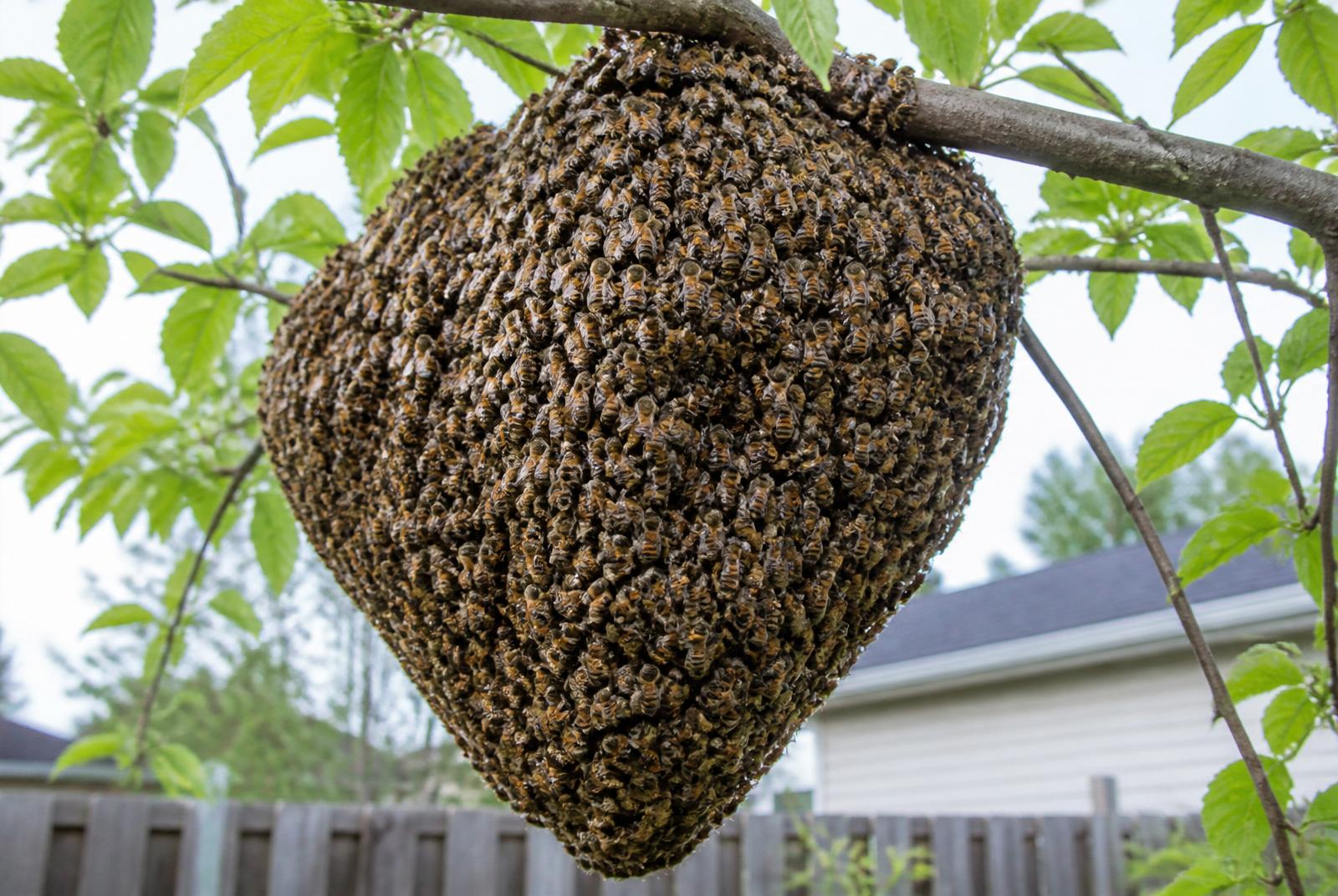
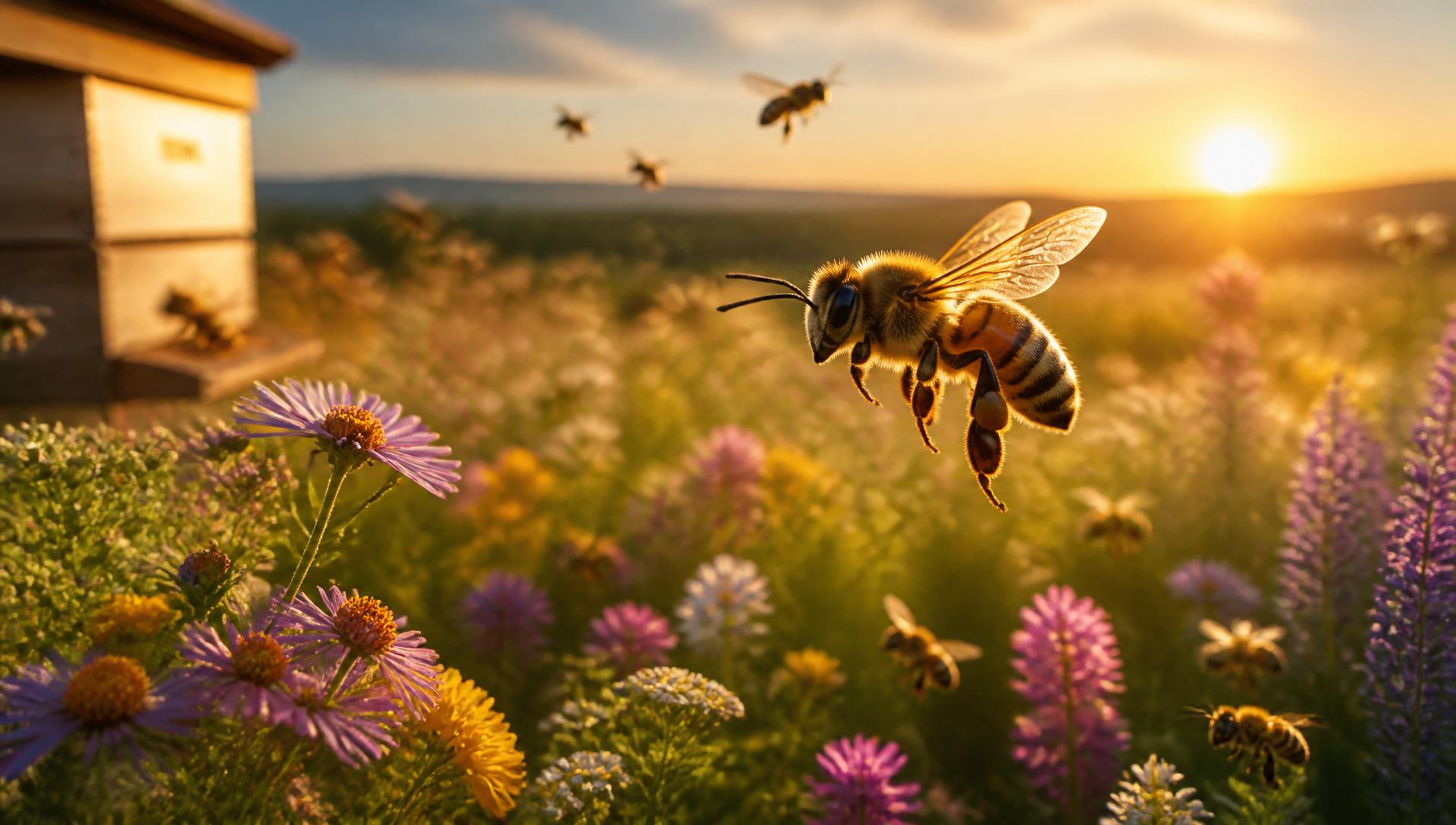
Honey bees are among the most fascinating — and most important — insects on the planet. Before you decide what to do about a hive on your property, it helps to understand who you're dealing with. Here's a plain-English introduction from the specialists who relocate colonies every week across the Greater Houston Area.
Man's Love Affair with the Honey Bee
Even before recorded history, humans were gathering honey from wild colonies living in hollow trees. But honey wasn't the only reason people kept bees. Our ancestors quickly learned that the honey bee itself was an interesting and highly social insect. The mystery and fascination of the hive — how bees live, work and reproduce — has intrigued people ever since.
The Honey Bee Colony
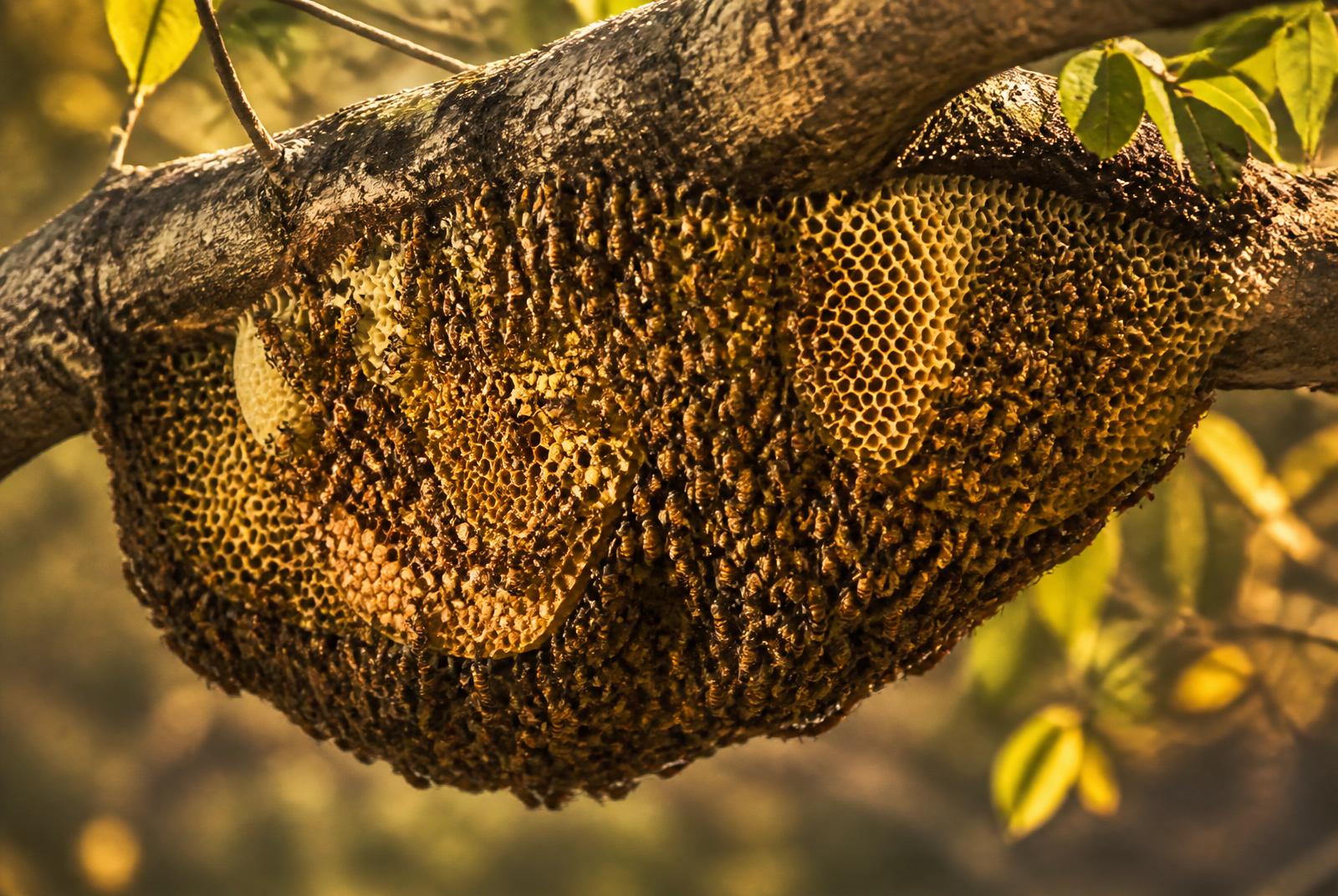
The story behind what looks like the casual movement of bees from flower to flower is actually the discovery of an industrious and tireless society. Honey bees are social insects — they band together and divide labor with remarkable precision.
A colony is made up of three types of individuals with sharply defined duties and functions: the Queen, several hundred Drones, and tens of thousands of Workers. Populations swing from about 7,000 bees in mid‑winter up to 70,000+ in late summer.
How Honey Bees Work
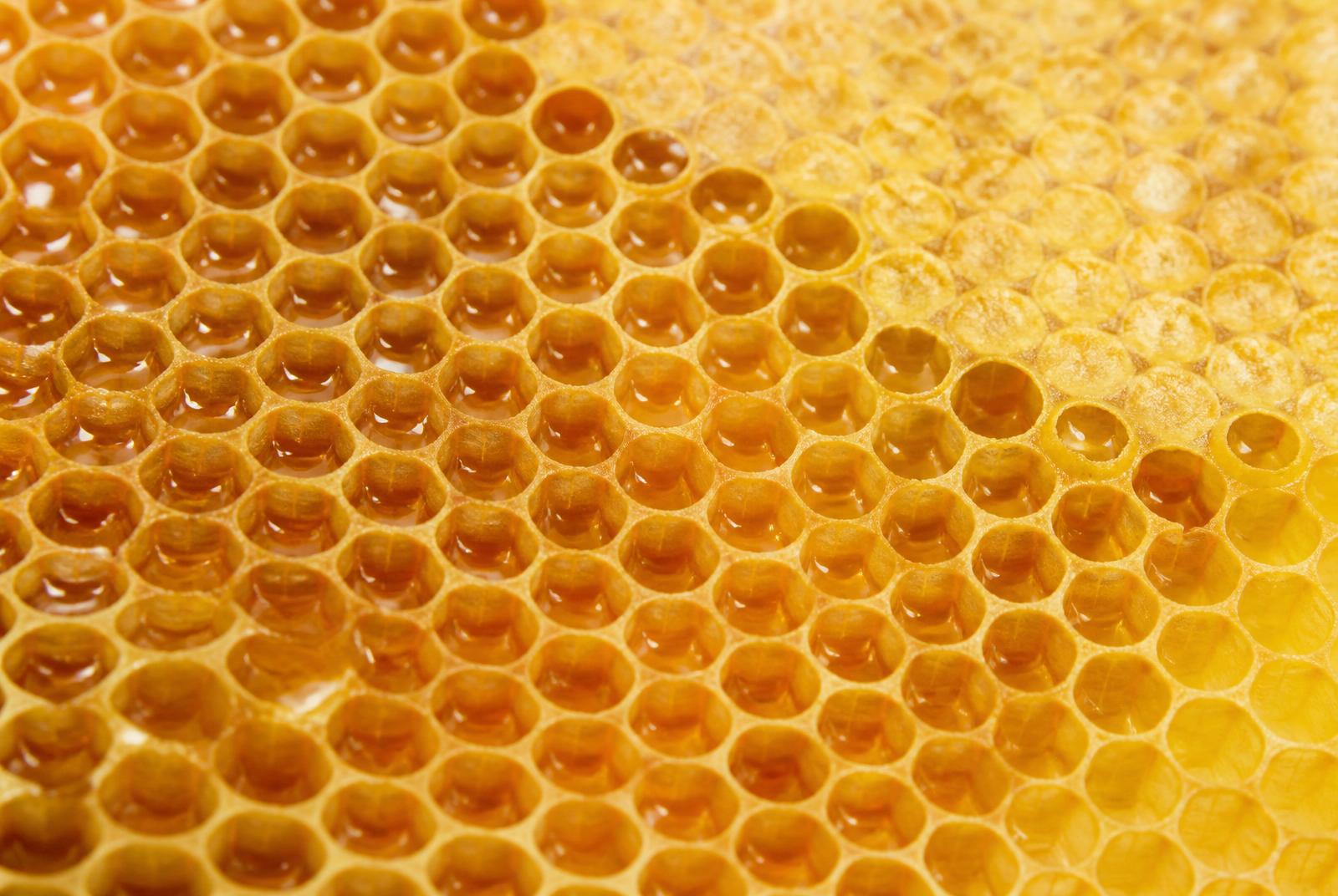
Most flowers produce a sweet liquid that attracts insects — primarily honey bees — so pollination can take place and the plant species can survive. Bees make honey from nectar found inside the flower blossom. Field worker bees collect the nectar and carry it back to the hive in pouches within their body. There, they pass it to young house bees who deposit it into the six‑sided beeswax cells. Excess water evaporates from the nectar and, over time, it is transformed into pure honey.
Some workers collect nectar, some collect pollen, and some do both. In terms of economic value, the workers that collect pollen are the most important to us — honey is just the sweet, secondary reward. If honey bees disappeared today, about one third of everything we eat would disappear with them.
The Worker
Workers are undeveloped females — the smallest bees in the colony but by far the most numerous. Every job outside of laying eggs falls to them: cleaning cells, feeding larvae, tending the queen, building comb, guarding the entrance, and foraging for nectar, pollen and water.
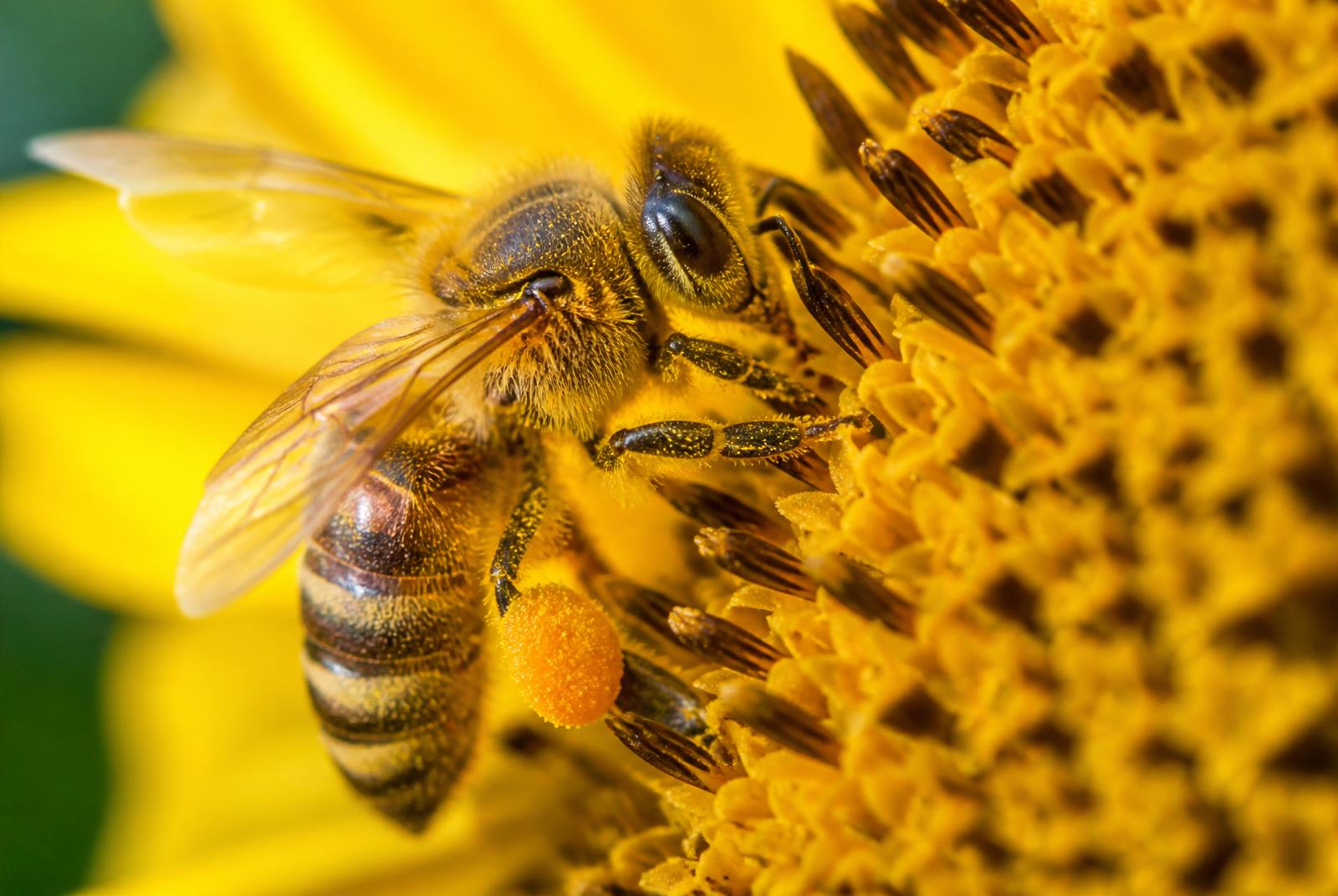
A worker lives about six weeks in the busy summer and up to several months during winter. She literally works herself to death for the good of the colony.
The Queen
There is only one queen per hive. She is the mother of every bee in the colony and can lay up to 2,000 eggs a day at peak season. The queen is longer and more slender than a worker, with a smoother, darker body.
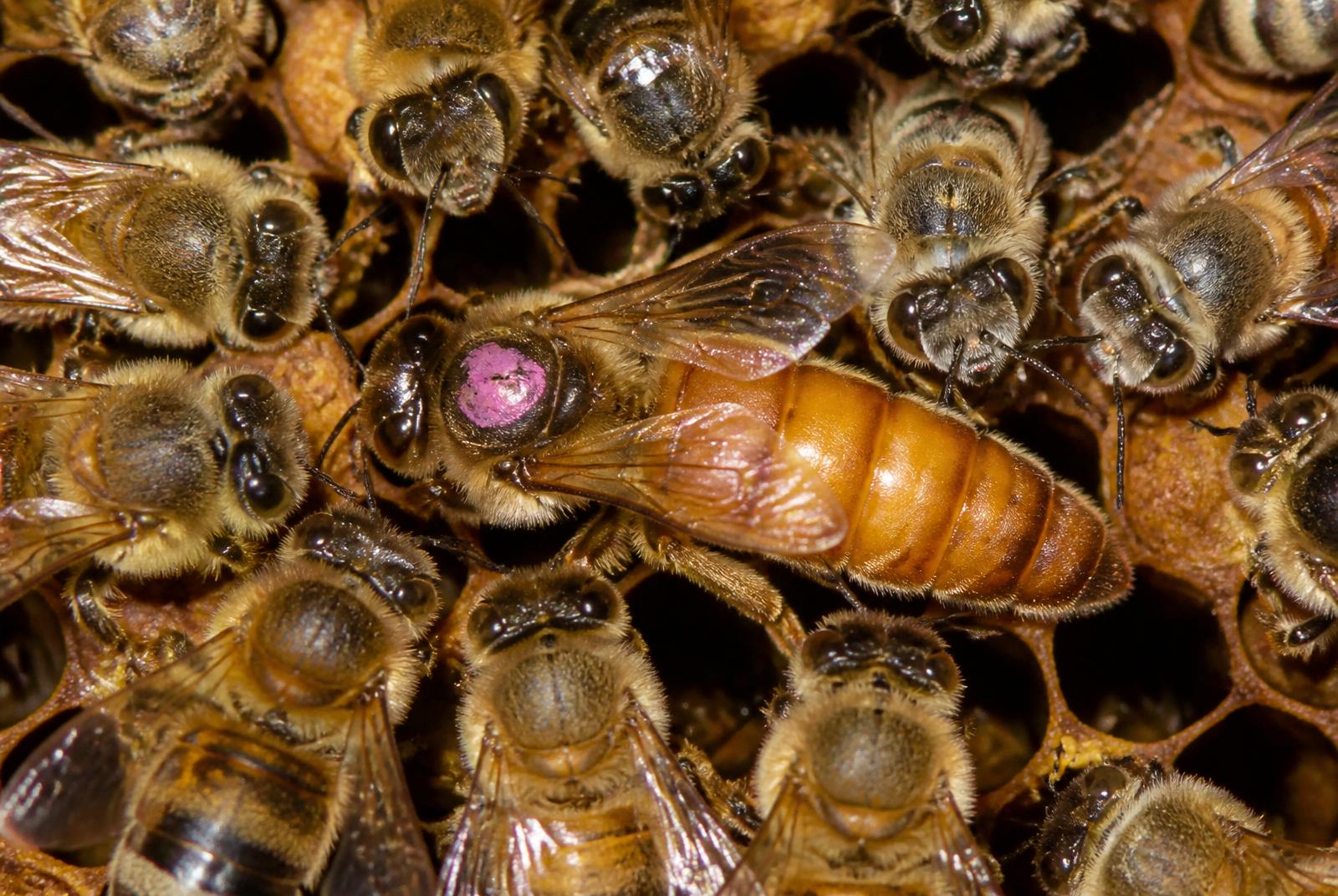
Should the queen die or become unproductive, the workers will raise a new queen by feeding a chosen larva a special diet of royal jelly. A healthy queen can live and lay for two to five years.
The Drone
Drones are the male bees. They are larger and stockier than workers, with big eyes that nearly meet on top of the head. Drones do no work — they don't gather food, build comb, or even feed themselves. Their single purpose is to mate with a virgin queen from another colony.
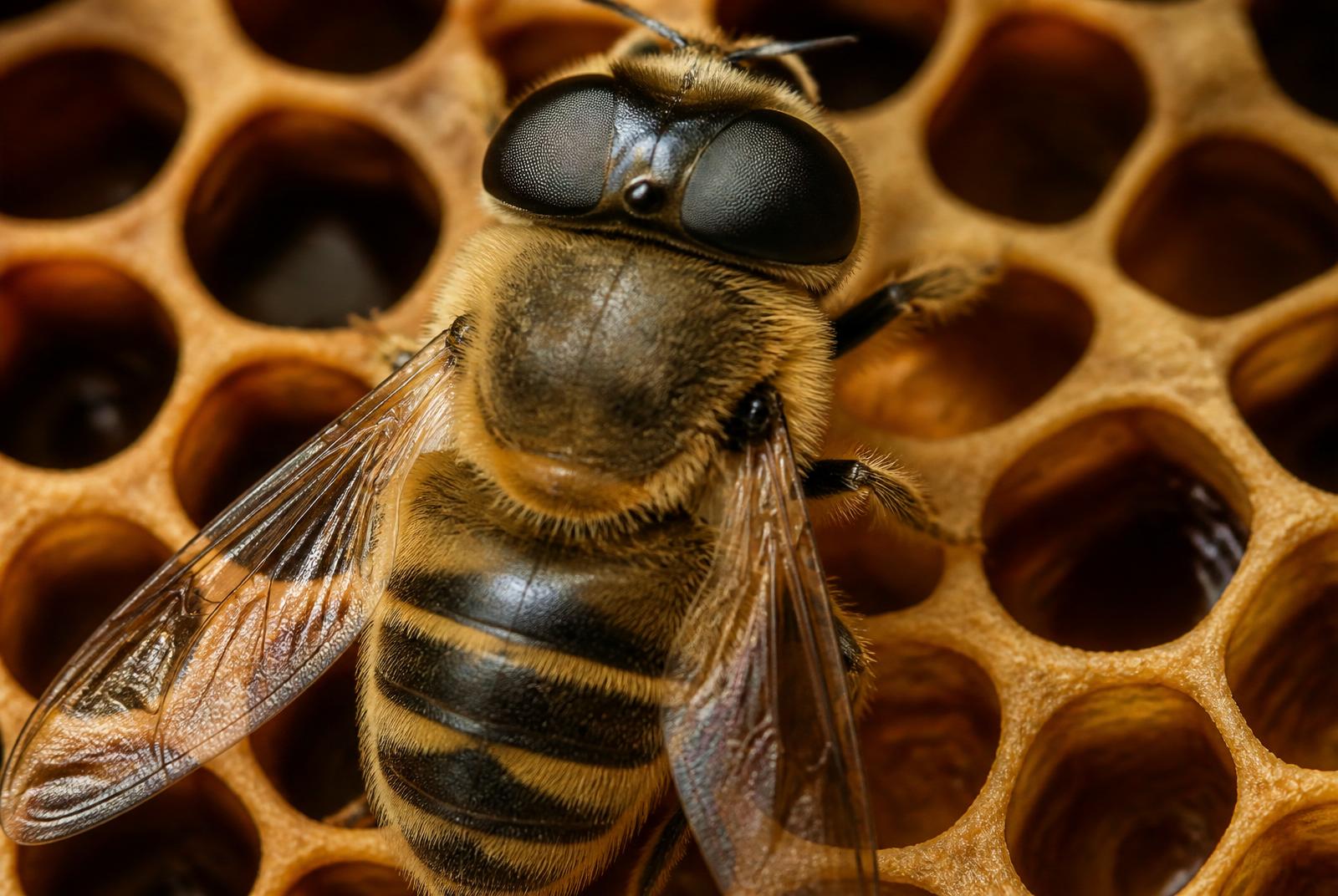
As fall approaches and resources tighten, the workers stop feeding the drones and eventually push them out of the hive. Only the queen and her workers overwinter, ready to begin the cycle again in spring.
Found a hive on your property?